
Listening to the Sacred Lands of Japan
Updated: Aug 10
Reflections by Masaaki Nagai, Earth Elder, Executive Director
In May 2026, I traveled across Japan with members of the Earth Elders community to visit and honor sacred sites connected to the ancient spiritual memory of these islands.
As a guardian of the Kannagara tradition, I know deeply that the sacred is present in nature. It lives and breathes in mountains, rivers, stones, forests, animals, ancestors, and humans. To visit a sacred site is to enter into relationship with it.
Our journey reflected one of the Five Earth Mandates of The Earth Elders: the protection of sacred sites and biocultural territories. The Earth Elders are working to safeguard 52 of the world’s most vital living landscapes—places where biodiversity, ancestral wisdom, culture, and spiritual practice remain deeply connected.


We began in the mountainous region of Hida, visiting Minashi Shrine and the megaliths of Mount Kurai. The deep meaning of this land is fire, sun, and the memory of an ancient divine capital. As I stood there, hand on this ancient stone, the knowledge it carried wove its way through my being… speaking in silence.


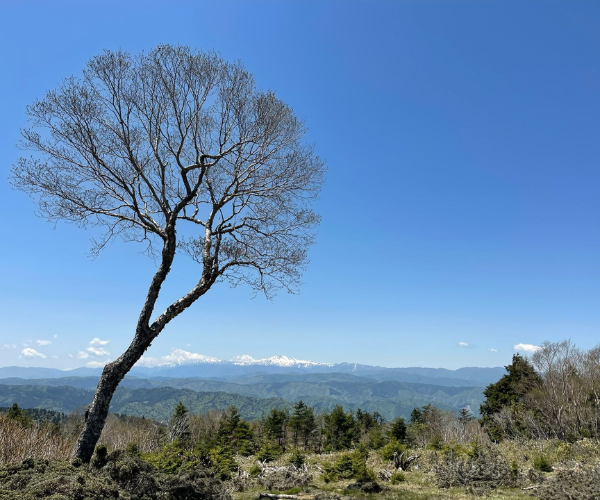

The Sacred Spring of Mount Kurai.
In Kyushu, we visited Heitate Shrine and the megaliths of Oshitoishi Hill. Heitate carries teachings about the shared origins of humanity and the spiritual connection among the peoples of the world. These teachings are especially important in a time when division can cause us to forget that we belong to one sacred family.
We then traveled north to Hokkaido, the northernmost island of Japan. At Lake Mashu, the water was hidden beneath heavy mist. We waited quietly, and after some time the mist parted, revealing the island at the center of the lake and allowing us to carry out ceremony.

The lake reminded us that sacred places do not reveal themselves according to human schedules. We must approach with patience, humility, and respect.
We also visited Lake Akan and Kamuy Kotan, where a powerful river moves between ancient rock formations. Legends say that Kamuy Kotan has a deep relationship with the Celts. In these places, the presence of the living Earth can be felt clearly. Water shapes the land. Forests call the rain. Mountains sustain rivers and communities. Human beings are part of this sacred order, but we are not its masters.
In northeastern Japan, heavy rain prevented us from reaching the Dragon’s Eye and limited our view of Mount Kinka. This, too, became part of the teaching. To honor sacred places is to respect their boundaries. Not every place must be entered, photographed, or made available for human use.
Our final days included a visit to land surrounded by seven sacred mountains, as well as the home and property of Aki Monden, who has offered this place to support the future work of the Earth Elders in Japan.

Sacred sites are living relatives. They hold ecosystems, stories, ceremonies, medicines, languages, and ancestral memory. When they are protected, the relationship between humanity and the Earth is also protected.
Japan’s sacred lands continue to speak. May we remain humble enough to listen, and courageous enough to protect them. We offer our gratitude to our fellow elders in Japan, Uchida san and Monden san for their tireless efforts in making this journey possible and successful.
Comments